
Delving into the depth of what “good” coffee means
Every morning, as dawn breaks, millions stir from slumber, their day initiated by the ritualistic brewing of coffee. This beverage, with its enveloping aroma and invigorating taste, plays a pivotal role in our global society. From clandestine rendezvous in romantic locales to fueling high-powered business meetings, coffee occupies a sacred space in our routines. But amidst this universal appeal lies an intriguing question: what defines a “good” coffee?
As we delve into the depth of what ‘good’ coffee means, it’s also essential to consider the health aspects. Understanding the caffeine content of coffee is crucial, as it can vary widely depending on factors like the type of bean, roast, and brewing method.
Historical footsteps
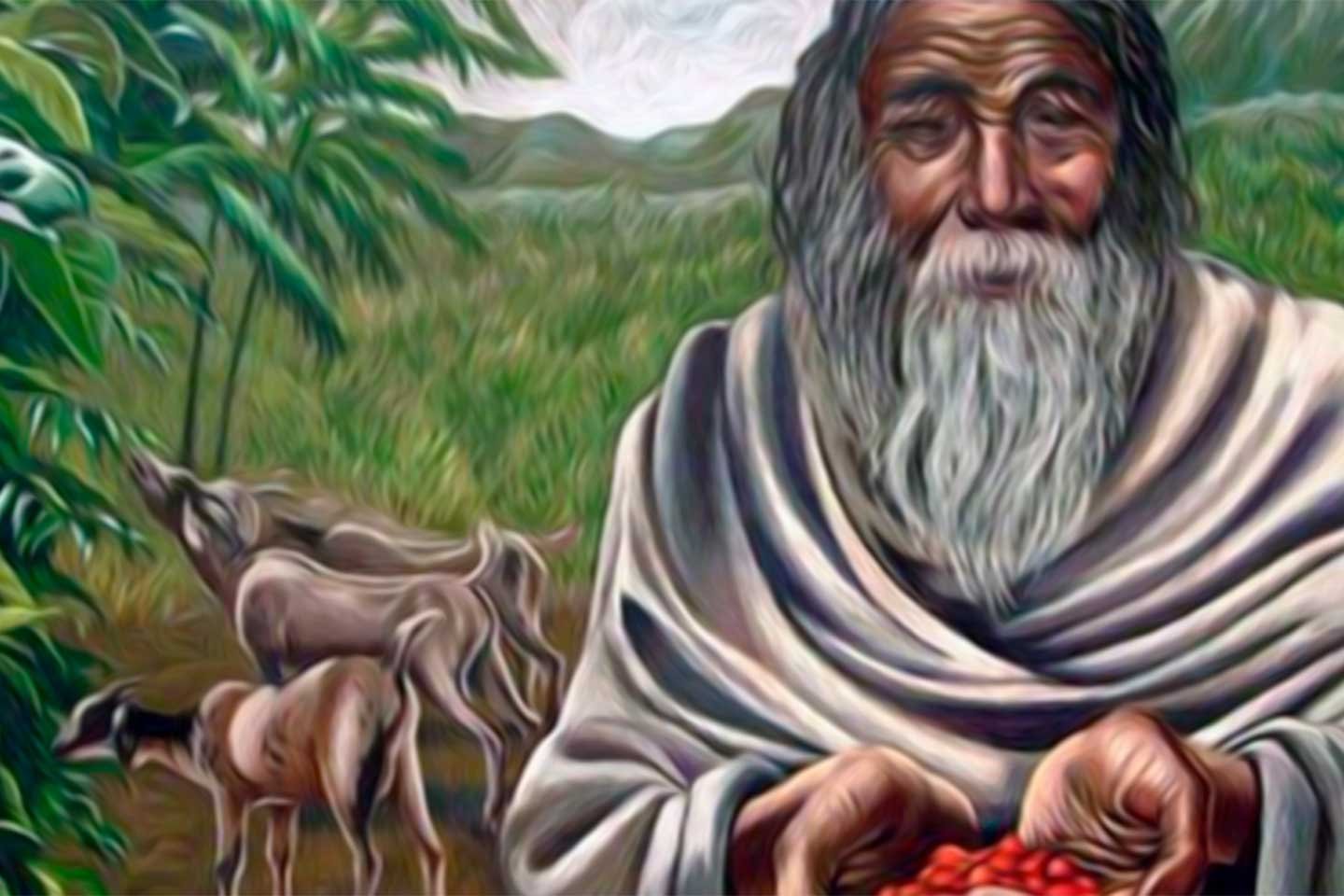
Intricately woven into the annals of history is coffee’s enchanting tale. The legend of Kaldi and his spirited goats offers just a vignette of coffee’s journey. After this serendipitous discovery in the Ethiopian wilderness, coffee seeds embarked on a journey of their own. Cultivated under Arabian suns, they became the potion of the elite in Yemen, eventually finding themselves being savored in Venetian palazzos and later energizing the industrious vibes of American urban landscapes. Through each epoch, coffee reinvented itself, transforming from a mystical Sufi potion in the Middle East to a symbol of European sophistication and then into an emblem of American enterprise and innovation.
The subjectivity of taste
Imagine savoring a cup of ‘egg coffee’ in Vietnam, where creamy egg yolks blend with coffee, offering a dessert-like treat. Contrast this with the minimalist approach in Nordic countries, where coffee, often light-roasted and unadulterated, is savored for its nuanced flavors. Travel to Turkey, and your coffee might come with a touch of mysticism, as it’s often associated with fortune-telling traditions.
In Ethiopia, the birthplace of coffee, the coffee ceremony is an elaborate ritual, reflecting the nation’s deep-rooted respect for this beverage. This spectrum of preferences doesn’t just highlight the diversity in flavors and brewing methods but also underscores a deeper narrative. The taste, preparation, and consumption of coffee is a window into a region’s history, its socio-cultural nuances, and its interaction with the wider world. “Good” coffee, thus, is not just about the perfect roast or the ideal brewing temperature; it’s about stories, memories, and the intricate dance of cultures.
In this exploration of coffee, we don’t just seek to understand a beverage; we endeavor to delve into a rich reservoir of global traditions, experiences, and emotions. As we explore the story of coffee, we’re not merely tracing the journey of a bean; we’re navigating the pathways of human civilization.
EHL Culinary Arts Workshops and Master Classes
Culinary, Pastry and Oenology Short Courses in French
For Professionals and Amateurs. Learn the secrets of EHL’s Top Chefs and strengthen your competencies in Culinary Arts
Discover
A global affair: coffee’s journey around the world
In the quiet rustle of the coffee plantations, in the aromatic waft from steaming mugs in diverse lands, and in the universal clinking of coffee cups, lies an epic saga. This isn’t just about a beverage; it’s the chronicle of human endeavors, innovations, and the ceaseless intertwining of cultures and destinies.

Major coffee hubs and their rich histories
The world map of coffee is dotted with tales of adventure, intrigue, and passion. When the Dutch introduced coffee to Java in Indonesia, they did more than plant a crop. They planted an identity, one that would define the region’s ecology, economy, and global repute. But Indonesia is just one thread in this global tapestry. Think of Brazil, today’s coffee giant, a legacy of its Portuguese colonizers who recognized the potential of its sprawling landscapes. Or Yemen, where the port city of Mocha, synonymous with a certain coffee type, was once the epicenter of the coffee trade, linking the East and West.
And then there’s the romanticized tale of Baba Budan, an Indian pilgrim who, legend has it, smuggled seven coffee seeds from Mecca, laying the foundation for India’s coffee plantations. These tales are not just of plantations and produce but of geopolitical maneuverings, cultural exchanges, and often serendipitous events.
Coffee cultures in their full splendor
Each nation, each community, embraces coffee and makes it their own. The Turks, for instance, grind it to a fine powder, brewing it unfiltered, resulting in a rich, robust drink where the grounds settle at the bottom, ready to tell your fortune. This tradition, mystical in its allure, is as much about bonding as it is about the brew.
Venture to the Middle East, and you’ll find coffee infused with cardamom, a fragrant nod to ancient trade routes and the region’s storied history with spices. Italy gave us espresso, a quick yet potent shot, reflecting perhaps the fast-paced vibrancy of Italian city life. And then there’s the Ethiopian coffee ceremony, a spiritual, communal experience symbolizing respect and friendship.
South Korea’s transformation into a coffee-consuming giant brings with it unique cafes – from ones filled with flowers to others boasting vintage vinyl collections. The café culture here isn’t just about the drink; it’s about aesthetics, experience, and creating memories.
This isn’t merely a beverage being sipped; it’s history, anthropology, and art in a cup. As we traverse continents and cultures, it becomes evident that coffee isn’t just loved universally – it’s revered, adapted, and celebrated in myriad, beautiful ways.
When do we crave coffee? Exploring the times and reasons.
If the journey of coffee beans is an odyssey across terrains and cultures, the timing of its consumption is a dance with changing eras, purposes, and social constructs.
Coffee’s chronological evolution
The dawn of coffee’s consumption saw it embraced by Ethiopian monks as a secret elixir, enabling them to converse with the divine in prolonged nocturnal vigils. But as the beans traveled beyond the monastic walls of Africa and into the vivacious landscapes of the Middle East, it began to find its place in more secular settings, with people enjoying it in gatherings after sunset prayers.
The coffee story took a significant turn in 17th-century Europe. In cities like London, Venice, and Paris, the emerging coffeehouses, known as ‘penny universities,’ became more than places to savor a cup. They were stages for the period’s zeitgeist. Intellectuals, traders, and politicians found in these establishments a fertile ground for discourse, debate, and the exchange of ideas. Sir Isaac Newton and the members of the Royal Society often mulled over scientific theories with coffee cups in hand, while writers like Jonathan Swift and Alexander Pope traded wit and satire over their brews.
In the Americas, the coffee narrative wove itself into the tapestry of the industrial revolution. As factories roared to life and cities never slept, coffee became the fuel for the workforce, a tool to battle the fatigue of long hours. The modern espresso shot, quick and potent, was in many ways a response to the fast-paced momentum of the 20th century.
Modern-day resonance
Today, coffee’s temporal journey continues to evolve. Morning brews prepare individuals for the challenges of the day, while afternoon cups offer respite in busy schedules. Evening coffees, often decaffeinated, are less about the kick and more about relaxation and social bonding.